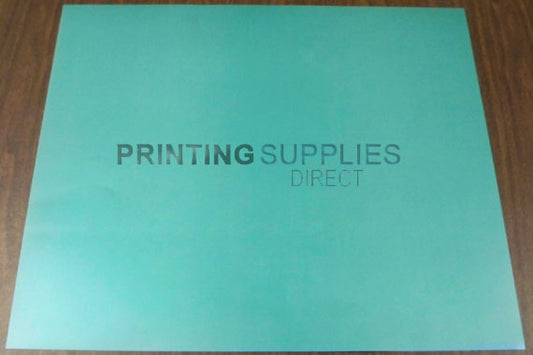
PS Plate for Conventional 1-Sided Negative Printing
Conventional 1-sided negative PS plates are used in offset printing for dependable plate making, steady on-press behavior, and clean image transfer on paper. Built with a photosensitive layer and PS plate coating, they support commercial printing jobs that need stable performance, clear detail, and consistent water-ink balance across short and long runs. Browse the available sizes, gauges, and formats to find printing plates that match how you print and get started today.
Printing Plates for Conventional Offset Presses
These printing plates are conventional, 1-sided, negative-working PS plates commonly used across the printing industry. They are part of a film-based offset printing setup, where the plate surface carries a photosensitive layer that reacts during exposure and development to form the image area.
Unlike digital systems that rely on CTP plates or thermal CTP workflows, PS plates use traditional plate making with film and chemicals. Many commercial printing shops continue to run this setup because it works well with existing presses, supports standard production needs, and stays familiar to operators.
Offset Printing Applications and Common Uses
In offset printing, conventional 1-sided negative PS plates transfer ink from plate to blanket to paper with accuracy and repeatable results. They’re commonly used in commercial printing jobs where clear detail and stable performance matter from the first sheet to the last.
Typical uses include:
- Forms, invoices, and carbonless paperwork
- Brochures, flyers, and inserts
- Magazines, manuals, and booklets
- Labels and light packaging printed on paper stock
Across different printing environments, these plates handle varied printing requirements while keeping image quality consistent. The majority of shops rely on them for work that runs daily and needs dependable results without changing how jobs are set up.
Plate Making, Exposure, and On-Press Performance
PS plate making starts with film exposure. During exposure, light passes through the film and reacts with the photosensitive liquid and resin on the plate surface. After development with standard chemicals, the image layer is formed and ready for press.
On press, performance comes down to how well the plate holds detail and maintains balance:
- High sensitivity supports detailed images and fine lines
- Stable-water ink balance helps keep ink control consistent
- Corrosion resistance protects the plate surface during longer runs
- Durable construction supports steady performance across medium jobs
Thicker options, such as 8-gauge plates, are often chosen when added rigidity and press stability help improve efficiency.
Selecting the Right Plate for Your Printing Requirements
Choosing the right PS plate depends on how the job runs and what the press needs. Plate size, thickness, and format all affect how well the plate matches your work.
Key points to look at:
- Gauge / thickness: Thinner plates are easier to handle for short runs, while thicker plates like 12-gauge plates are better suited for long runs and larger presses.
- PB vs SC formats: Pre-punched plates help with faster mounting and alignment, while square cut plates offer flexibility for custom punch setups.
- Plate size: Match standard sizes to your press cylinder and sheet layout.
- Handling and storage: Store plates in a cool, dry place, away from direct sunlight. Keep surfaces clean to prevent scratches and limit contact that could damage the coating.
Paying attention to humidity, storage conditions, and proper handling helps maintain plate quality from the time they’re stored until they’re exposed and run on press.
FAQs: Conventional Printing Plates