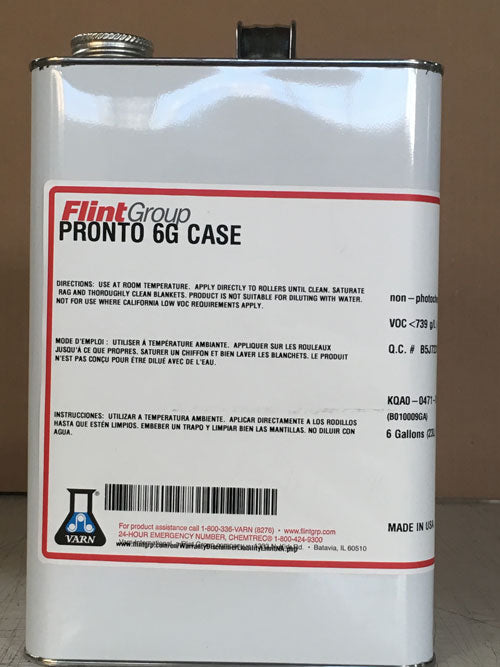
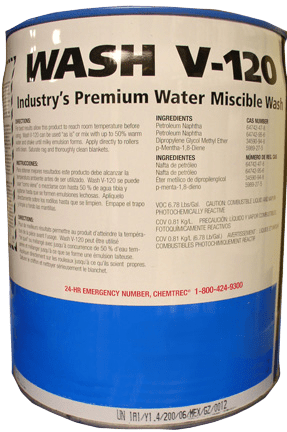
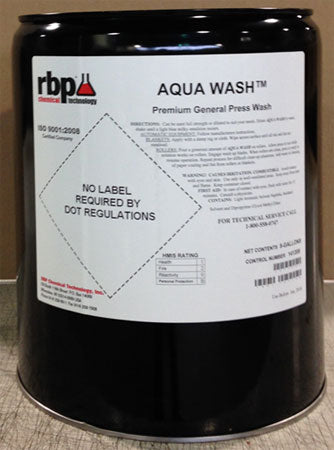
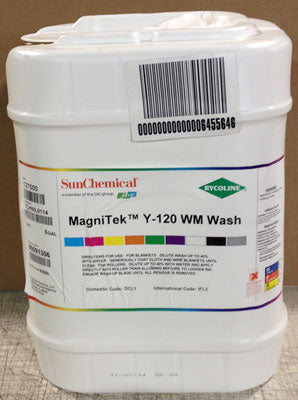
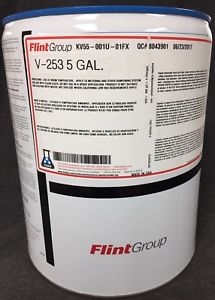
Press wash dissolves the ink vehicle (the carrier that holds pigment in suspension) so the pigment can be wiped away cleanly. The right wash is matched to your ink chemistry: petroleum-based, soy-based, and UV systems each respond differently to solvents.
Solvent flash rate matters. A wash that flashes too slowly leaves residue that dilutes your next ink charge. One that flashes too quickly may not break down heavy deposits before it evaporates. The right choice depends on your ink type, wash frequency, and shop ventilation.
Blanket life is directly affected by wash chemistry. Solvents that are too aggressive cause blanket swelling, which changes blanket thickness and disrupts impression. Use a wash formulated for offset press rubber compounds.
Press Wash Comparison: Which Type Do You Need?
Each wash type is built for a different stage of clean-up, and the right pick depends on what you are removing and where you run.
- Blanket wash is for between-job clean-up on offset blankets. Confirm rubber compatibility and check the flash point before you switch products; VOC levels vary by formulation.
- Roller wash removes emulsified ink-water residue from rollers. It is best used periodically as part of your preventive maintenance schedule and tends to carry a higher VOC level.
- All-purpose wash handles blankets, rollers, and press surfaces in one step. It is less targeted than a dedicated wash but practical for lower-volume shops, with VOC levels that vary by product.
- Low-VOC wash suits regulated jurisdictions and shops looking to reduce solvent exposure. Performance varies by ink system, so verify it works with your inks before switching.
Press Wash Troubleshooting Guide
These are the most common wash-related press problems and what to look for first.
- Ghost image on the next job usually means ink residue was left on the blanket after wash-up. Switch to a higher-cut blanket wash and add a second pass.
- Blanket swelling or puffiness points to a solvent that is incompatible with your blanket rubber compound. Check the wash SDS for rubber compatibility and switch products if needed.
- Ink not releasing cleanly from rollers is typically roller glaze from wash residue buildup. Run a roller deglazer and assess whether your wash product is compatible.
- Slow ink take-up at startup after wash suggests solvent residue on the blanket because the wash flashed too slowly. Switch to a faster-flashing wash or allow longer flash time.
- Blanket hardening or cracking happens when the wash strips oils from the blanket rubber. Add a blanket saver after wash-up and reassess your wash product.
Storage and Safe Handling
Press wash solvents are flammable. Store in a fire-rated safety cabinet away from heat sources and direct sunlight. Keep containers sealed when not in use, and consult the product SDS for flash point ratings and storage requirements.
Use press wash in well-ventilated areas. Dispose of wash rags in an approved fire-rated waste container; solvent-saturated rags in standard trash cans are a combustion hazard. Always follow manufacturer SDS guidelines and applicable local VOC and fire safety regulations.
Pairing Press Wash with Other Chemistry
If you're washing up regularly but still fighting roller glaze, you may need one of our roller deglazers and cleaners: a more aggressive periodic treatment that strips built-up ink and emulsified deposits that routine wash-up doesn't reach.
After wash-up, blanket savers protect the blanket surface between jobs, while plate cleaners handle ink and oxidation on plate surfaces. Worn rubber is its own problem, so check our press blankets if swelling or cracking has run its course. Running the right combination extends the service life of all press surfaces.
For faster turnarounds, clean-up sheets speed automatic blanket washing, and balanced fountain solutions reduce the emulsified residue that drives roller glaze in the first place. Browse the full pressroom chemistry catalog to match every consumable to your ink system.
Press Wash Frequently Asked Questions