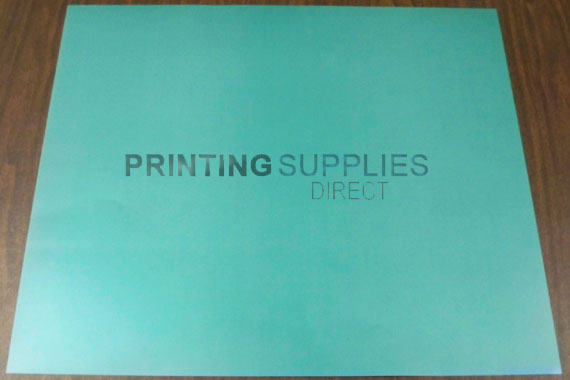
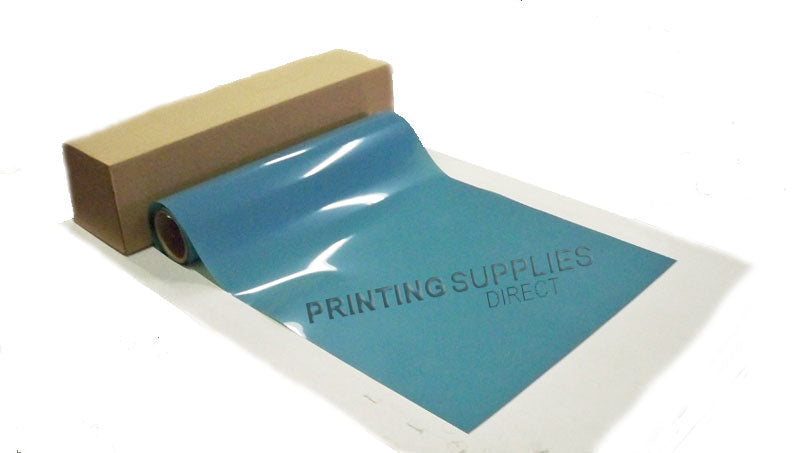
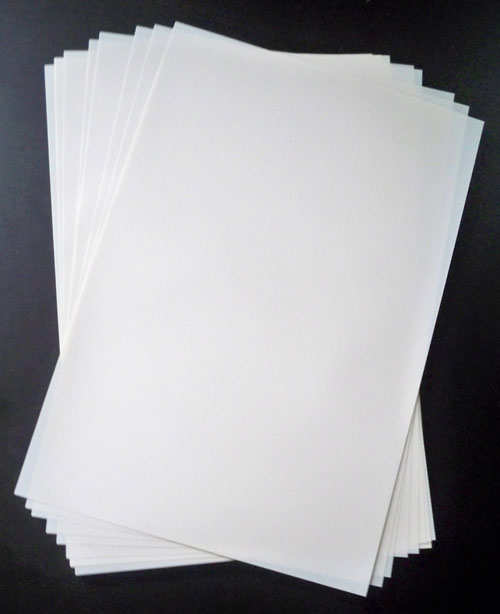
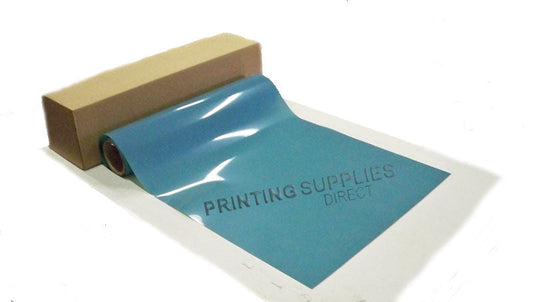
An offset printing plate is a thin sheet, almost always aluminum in modern commercial work, that carries the image to be printed. The plate is mounted on the press cylinder, inked, and transfers the image to a rubber blanket, which then transfers it to the paper. The image area attracts ink while the non-image area attracts water from the fountain solution, keeping the two separated.
Every sheet your press produces starts with a plate, which is why plate consistency directly determines print consistency across the run.
Types of Offset Plates We Stock
Most commercial pressrooms today run one of four plate types, and the choice usually traces back to your platesetter and chemistry setup. Aluminum thermal CTP plates are the workhorse of conventional CTP shops; they image cleanly under an 830nm thermal laser, run through a processor, and handle long commercial runs without complaint. Processless thermal CTP plates use the same imaging hardware but skip the processor entirely, with the non-image coating removed on press during make-ready.
Violet photopolymer plates serve shops with violet laser platesetters and tend to be popular in newspaper and shorter-run commercial work. Polyester plates, lighter and lower cost, suit small-format duplicators and short-run jobs where aluminum is overkill. If you're unsure which family fits your platesetter, the model number on the unit usually tells us immediately.
How to Choose the Right Offset Plate
The right plate comes down to three variables: your imaging system, your run length expectations, and your chemistry setup.
- CTP vs. Conventional: If you're imaging direct from a RIP to a thermal or violet laser platesetter, you need CTP-compatible plates: either thermal processless or thermal/violet conventional. Conventional workflows using film and UV exposure require a different plate emulsion. Make sure your plate matches your light source.
- Processless Thermal: These plates are mounted directly on the press after imaging; the non-image coating is removed during press startup as the rollers and fountain solution work through the make-ready sheets. No processor queue, no chemistry drift. Well-suited for shops looking to simplify or for runs where you're moving plates to press quickly. Note that extremely high-volume runs may still favor conventional processed plates in demanding environments.
- Run Length: Standard commercial plates handle mid-volume runs without issue. High-run applications (long web runs, demanding ink coverage) may call for baked or harder-emulsion plates. Let us know your volume and we'll help you spec accordingly.
- Dot Reproduction: For fine screen work, AM or FM screening, or tight register, CTP workflows typically offer better consistency and tighter registration control than film-based conventional workflows. Processless plates perform well for most commercial applications once startup is complete.
- Storage: Store plates horizontally in a cool, dry environment, away from direct light and heat. Humidity variation causes plate curl before you even get to the press.
Pairing Plates with the Right Chemistry
Chemistry choices directly affect plate life and image integrity. Plate developer strength and replenishment rate need to match your plate emulsion; an incompatible developer creates dot inconsistencies that are difficult to diagnose.
A complete plate chemistry setup includes a plate finisher or gum to protect the image area between runs, and a plate cleaner for press-side touch-ups. Running a processless setup? You can skip the developer, though a plate gum is still worth keeping on hand if plates sit before mounting.
We carry plate developers and finishers, plate cleaners, and plate gums, along with the press washes that keep blankets and rollers clean between jobs. Questions about compatibility? Contact us before you reorder; our team can confirm whether your current developer is rated for your plate stock.
Imagesetter Film Considerations
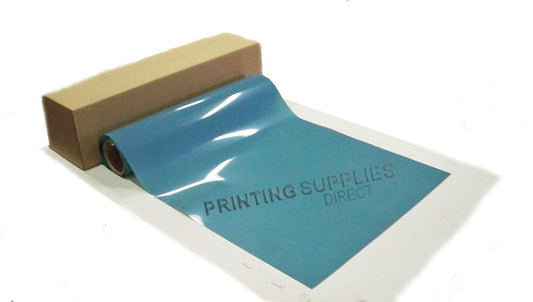
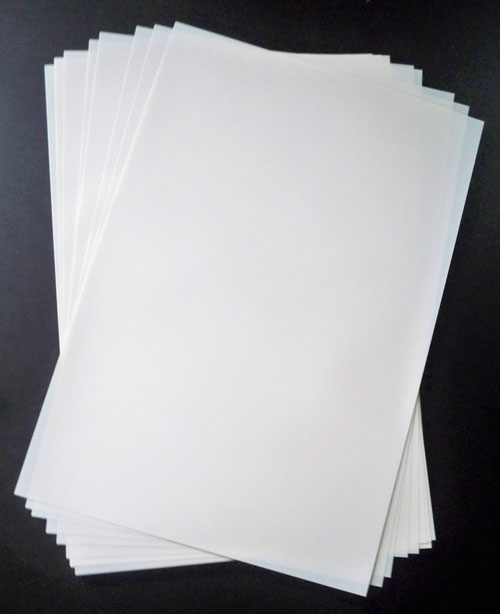
Shops using analog platemaking or step-and-repeat workflows still depend on imagesetter film. Key specs are optical density (Dmax), dimensional stability under processing, and format compatibility with your output device.
High-Dmax film gives you cleaner dot edges and better UV blocking when using film as a positive for UV plate exposure. Dimensional stability is critical in close-registration or multi-pass applications; film that shifts during processing will cost you on the press.
Not sure which film matches your imagesetter (Agfa, ECRM, Heidelberg, or another system)? Call us. We've helped shops track down compatible film stock when the original source dried up.
Frequently Asked Questions about Offset Plates and Film